Summer Camp Descriptions
Roblox Game Design
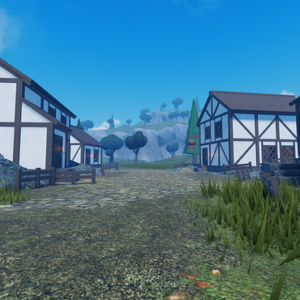
Campers create a new 3D world using Roblox Studio, where they design their own terrains and landscapes, add characters, props, and build simple story paths through guided instructions.
The week concludes with an Adventure Showcase, where campers explore and play each other’s worlds. Campers may optionally publish their game with instructor guidance.
Campers entering grades 4 and above use introductory text-based Lua coding to add features to their games while learning core concepts such as events, functions, and simple logic.
No prior Roblox experience is required.
Minecraft Python Coders
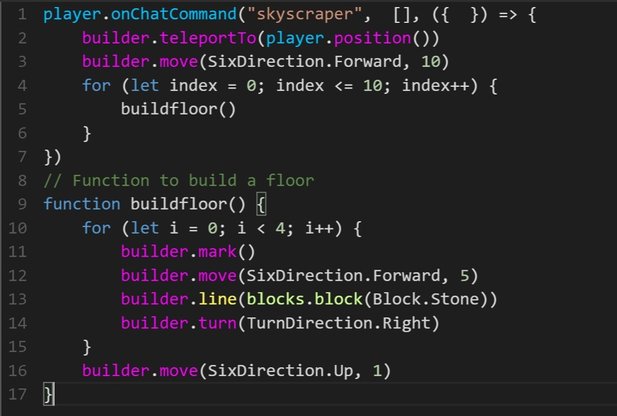
Introduces students to real-world programming by combining the creativity of Minecraft with the power of Python coding. Campers use Python to control characters, automate builds, create mini-games, and add custom features inside the Minecraft world. Through guided challenges, students learn core coding concepts such as variables, loops, conditionals, and functions, while seeing instant results in a game they love.
No prior Python experience is required—just curiosity and creativity.
Minecraft Builders Lab
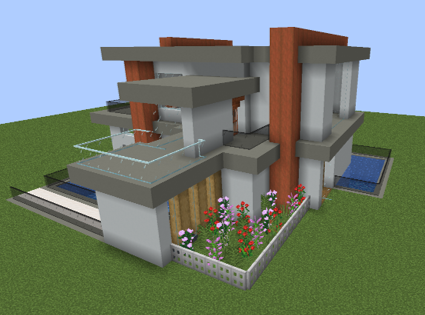
Unlock your child’s imagination in the world of Minecraft designed by them. Minecraft offers a great entry point into the world of architecture. Using Minecraft as CAD tool, our next generation Architects learn various elements of differing architectural styles from medieval to modern architecture.
They create the floor plan and design the interiors with various types of stones, materials and shapes to build their dream structure.
Idea to Animation using AI
Campers begin with their own ideas and characters, then use AI-powered tools to turn imagination into animated stories. Along the way, students explore how AI can support creativity and visual design while learning new AI technologies in a fun, age-appropriate way.
Campers will:
Create characters and story ideas
Use AI to generate dialogue, character designs, and images
Add voice-overs and simple animations
Learn how AI can act as a creative helper
Produce fun cartoons and short animated scenes
Animated Stories with AI
Animated Stories with AI is a creative, beginner-friendly animation camp where young kids turn their ideas into animated cartoons using kid-safe AI tools.
They use AI like a magic helper to:
- Create characters
- Build simple stories
- Add voices and emotions
- Turn pictures into short animated clips
Using voice-to-text with minimal keyboard use, students learn how AI can help bring ideas to life while building early AI literacy, confidence, and imagination in a fun and age-appropriate way.
Logic & 3D Game Design with Microsoft Kodu
In this camp, kids design their own 3D games while learning the basics of logic and problem-solving. Using Kodu’s colorful, visual programming system, campers create game worlds, control characters, and bring their ideas to life.
Campers will:
Build and explore 3D game worlds
Design terrain such as hills, paths, and water
Use simple WHEN → DO rules to control characters
Add goals, points, and challenges to their games
Test, play, and improve games through guided exploration
Kidpreneurs: Money & Stock Markets
This camp introduces kids to the world of money, investing, and entrepreneurship in a fun, age-appropriate way. Campers learn how money works, why people save and invest, how inflation affects prices and purchasing power, and how businesses grow.
Campers also participate in simulated, real-time stock trading of actual companies using $100,000 in virtual funds, allowing them to apply what they’ve learned in a safe and engaging trading environment.
Intro to AI & Machine Learning
Kids explore how smart machines learn through games, examples, and hands-on activities. Using kid-safe tools like Google Teachable Machine, visual AI games, and guided Scratch activities, campers discover how computers can recognize pictures, sounds, and patterns.
Campers will:
Learn what AI is using simple, kid-friendly explanations
Use Google Teachable Machine to teach a computer with images, sounds, or poses
Explore how machines learn from examples, just like people do
Use visual and block-based tools (such as Scratch) to see AI in action
Build early AI literacy, confidence, and curiosity
- Understand that AI is a tool created and guided by humans
Embedded AI ChatBot with OLED
Students build their own embedded chatbot device using a microcontroller. Campers connect inputs such as a keyboard or buttons and program the device to integrate with the ChatGPT API, sending questions to a cloud-based AI and displaying responses on a compact OLED screen.
Campers will:
Learn the basics of embedded systems and microcontrollers
Implement ChatGPT API integration to send and receive messages
Display chatbot responses on an OLED screen
Understand how cloud-based AI works with physical devices
Combine hardware, coding, and AI into a real working project
Minecraft Circuit Masters
Using Minecraft’s Redstone blocks, students learn how to design and build electronic-style circuits that respond to player actions or run automatically.
Campers create a wide range of fun and challenging projects—from light switches, secret doors, traps, and logic gates to elevators, combination locks, alarms, mini-games, and automatic farms—taking their Minecraft skills to the next level while learning core concepts of logic, automation, and problem-solving.
3D Modeling and Printing
Using Tinkercad’s simple drag-and-drop tools, campers design objects by combining shapes, adjusting dimensions, aligning parts, and refining their models through iteration—building a strong foundation in spatial thinking and design skills.
Students explore core concepts such as shape, size, measurement, alignment, and design iteration, then see how digital designs can be transformed into real physical objects using a 3D printer.
Campers entering grades 4 and above also apply their 3D modeling skills to create kinetic structures such as spiral dominoes, ramps, tracks, and other motion-based designs.
Space Mission with Kerbal Space
In this hands-on space engineering camp, students design, build, and fly rockets using Kerbal Space Program, a realistic spaceflight simulation. Campers learn how rockets work, how to reach orbit, and how missions are planned—thinking like real aerospace engineers.
Campers will:
Design and build multi-stage rockets
Launch rockets and attempt space missions
Learn how gravity, thrust, and fuel affect flight
Reach and maintain stable orbit
Plan missions such as satellite deployment or travel to the Mun
Test, analyze, and improve rocket designs through iteration
Little Astronauts with Kerbal Space
Young explorers learn how rockets fly through play and discovery. Using Kerbal Space Program in a kid-friendly, instructor-led way, campers launch rockets, watch them soar, and learn basic ideas about space, gravity, and safe landings—without complex controls or reading.
Campers will:
Launch simple rockets and watch them go up and come back down
Learn basic space ideas like push, pull, gravity, and fuel
Explore what astronauts and rockets do in space
Add parachutes and practice safe landings
Make predictions and see what happens when rockets change
Machine Learning AI App Development
Introduces students to the exciting world of AI-powered mobile apps in a fun, beginner-friendly way. Campers design and build their own apps using MIT App Inventor’s visual, drag-and-drop interface, then add machine learning features such as image recognition, text classification, or sound-based AI. Students learn how apps can use AI to make decisions, recognize patterns, and respond intelligently to user input—without needing prior coding experience.
Campers will:
Design and build mobile apps using MIT App Inventor
Learn what machine learning is and how it works through examples
Add AI features like image, text, or sound recognition
Train simple ML models and connect them to apps
Use blocks-based coding to control app behavior
Test, improve, and showcase their own AI-powered apps
Block-Based Coding in MakeCode
Introduces students to the fundamentals of coding in a fun, visual, and beginner-friendly way. Using Microsoft MakeCode’s drag-and-drop blocks, campers learn how programs work by snapping together colorful blocks to control actions, logic, and events—without worrying about typing or syntax errors.
Campers will:
Learn core coding concepts such as sequencing, loops, conditionals, and events
Build interactive programs using drag-and-drop block coding
Create simple games, animations, or device-based projects (depending on platform)
Understand how code controls behavior and outcomes
Sensors in Action
Campers build and test circuits using a variety of sensors, gaining a strong understanding of basic circuitry and hands-on experience connecting electronic components to create working devices. Students explore the design of light-responsive projects using LDR sensors, motion-activated gadgets with PIR sensors, and other sensor-based projects. Along the way, campers strengthen their technical skills while also expressing creativity through hands-on experimentation.
Heavy Machines Engineering
Future engineers explore the fundamental principles and components that make some of the world’s heaviest machines work. Students build working models of large equipment that can pull, press, and lift heavy loads, learning how hydraulics are used in real-world machinery. By the end of the camp, students gain a strong understanding of how these machines use force and pressure to perform powerful tasks.
Water & Theme Park Engineering
Young engineers explore the exciting world of water parks and amusement park rides by designing and building working models inspired by real attractions such as roller coasters, water slides, Ferris wheels, lifts, and spinning rides. Through hands-on projects, students learn key engineering principles including motion, forces, mechanisms, basic circuitry, and the engineering design cycle. Along the way, campers discover how engineers design rides to be fun, safe, and reliable, using creativity, testing, and problem-solving just like real theme park engineers.
Clean Energy Creators
Campers explore clean and renewable energy through hands-on activities that introduce different types of energy and how they help keep our Earth healthy and beautiful. Students learn about solar, wind, and water power while being inspired to design, create, and build their own renewable energy machines. Through experimentation and creativity, campers discover how clean energy can be used to power the world in sustainable ways.
Boat Builders
If your child is fascinated by marine vessels, this camp helps fuel that passion by exploring the engineering behind boats and watercraft. Students design and build DC motor–powered model boats, then test them in a water tub to see how hull shape, balance, and propulsion affect performance. Along the way, campers learn key marine engineering concepts such as buoyancy, propulsion, electrical power, and different ways to control motion on water. Through hands-on building and testing, students gain a deeper understanding of how boats float, move, and perform on the water.
Machines, Motions & Mechanisms
Students explore how mechanical engineering principles are used to create the amazing machines that shape our world. Through hands-on projects, campers design and build a variety of machines, mechanisms, and simple automata, learning how motion is created and transferred using gears, levers, cams, springs and linkages. As they bring moving models to life, students develop problem-solving skills and gain a deeper understanding of how individual mechanisms work together to create complex, moving machines.
Vehicle Engineering
During this week, students build various working car models and systems using motors, gears, and circuits, while learning the mechanics behind key automobile systems. Through hands-on projects, campers explore how different vehicle systems work together in real-world automobile engineering.
Airborne Marvels
Introduces students to the exciting science and engineering behind things that fly, float, and glide through the air. Campers design, build, and test a variety of airborne creations—such as paper airplanes, gliders, parachutes, and lightweight flying models—while exploring key concepts like lift, drag, thrust, gravity, and balance.
Through hands-on experiments and challenges, students discover how small design changes affect flight and performance.
Robot Builders
Kids learn the basics of robotics by working with simple electrical circuits, gears, and mechanisms. Campers build a variety of moving robots—such as crawling robots, walking robots, vibration robots, and other motor-powered creations—while exploring key concepts like forces, motion, balance, and how machines work through hands-on building and experimentation.
RC Robot Engineering
In RC Robot Engineering, students design, build, and refine remote-controlled robots while learning how real RC systems work. Campers use motors, gears, circuits, and drive systems, along with transmitters and receivers, to send control signals and operate their robots.
Students explore how signals travel from a transmitter to a receiver, how power is distributed to motors, and how mechanical design affects movement and control. This camp emphasizes control systems, problem-solving, and engineering thinking, helping students understand how remote-controlled machines are designed and operated in the real world.
Medieval & Siege Machines
Campers step into the role of engineers by taking inspiration from the technology and innovations of medieval times. Through hands-on building, students design and construct model siege engines including catapults, trebuchets, and ballista, while learning how simple machines, force, and motion were used in history to solve real-world problems.
Electrifying Innovations
Younger students will explore the principles of electricity through the design of electrical circuits and combining the power of electricity with magnets to create powerful tools. With this knowledge, students create exciting projects and building games involving electricity.
Senior students learn to draw and build fun circuits with LEDs, resistors, capacitors, transistors and Light Dependent Resistors in making electronic gadgets.

Campers create a new 3D world using Roblox Studio, where they design their own terrains and landscapes, add characters, props, and build simple story paths through guided instructions.
The week concludes with an Adventure Showcase, where campers explore and play each other’s worlds. Campers may optionally publish their game with instructor guidance.
Campers entering grades 4 and above use introductory text-based Lua coding to add features to their games while learning core concepts such as events, functions, and simple logic.
No prior Roblox experience is required.

Unlock your child’s imagination in the world of Minecraft designed by them. Minecraft offers a great entry point into the world of architecture. Using Minecraft as CAD tool, our next generation Architects learn various elements of differing architectural styles from medieval to modern architecture.
They create the floor plan and design the interiors with various types of stones, materials and shapes to build their dream structure.
Introduces students to real-world programming by combining the creativity of Minecraft with the power of Python coding. Campers use Python to control characters, automate builds, create mini-games, and add custom features inside the Minecraft world. Through guided challenges, students learn core coding concepts such as variables, loops, conditionals, and functions, while seeing instant results in a game they love.
No prior Python experience is required—just curiosity and creativity.
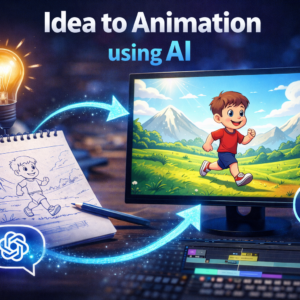
Campers begin with their own ideas and characters, then use AI-powered tools to turn imagination into animated stories. Along the way, students explore how AI can support creativity and visual design while learning new AI technologies in a fun, age-appropriate way.
Campers will:
Create characters and story ideas
Use AI to generate dialogue, character designs, and images
Add voice-overs and simple animations
Learn how AI can act as a creative helper
Produce fun cartoons and short animated scenes
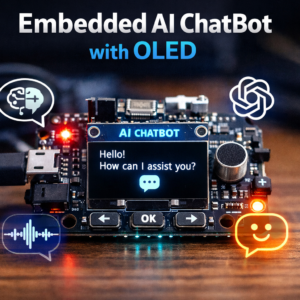
Students build their own embedded chatbot device using a microcontroller. Campers connect inputs such as a keyboard or buttons and program the device to integrate with the ChatGPT API, sending questions to a cloud-based AI and displaying responses on a compact OLED screen.
Campers will:
Learn the basics of embedded systems and microcontrollers
Implement ChatGPT API integration to send and receive messages
Display chatbot responses on an OLED screen
Understand how cloud-based AI works with physical devices
Combine hardware, coding, and AI into a real working project
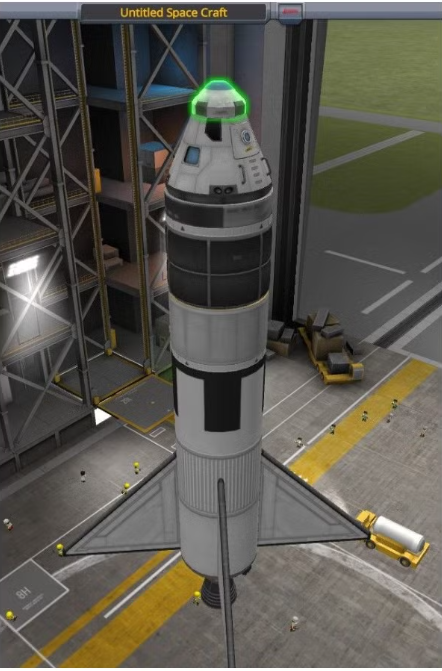
A fun, guided space camp where young explorers learn how rockets fly through play and discovery. Using Kerbal Space Program in a kid-friendly, instructor-led way, campers launch rockets, watch them soar, and learn basic ideas about space, gravity, and safe landings—without complex controls or reading.
Campers will:
Launch simple rockets and watch them go up and come back down
Learn basic space ideas like push, pull, gravity, and fuel
Explore what astronauts and rockets do in space
Add parachutes and practice safe landings
Make predictions and see what happens when rockets change
Build curiosity, confidence, and teamwork through guided play
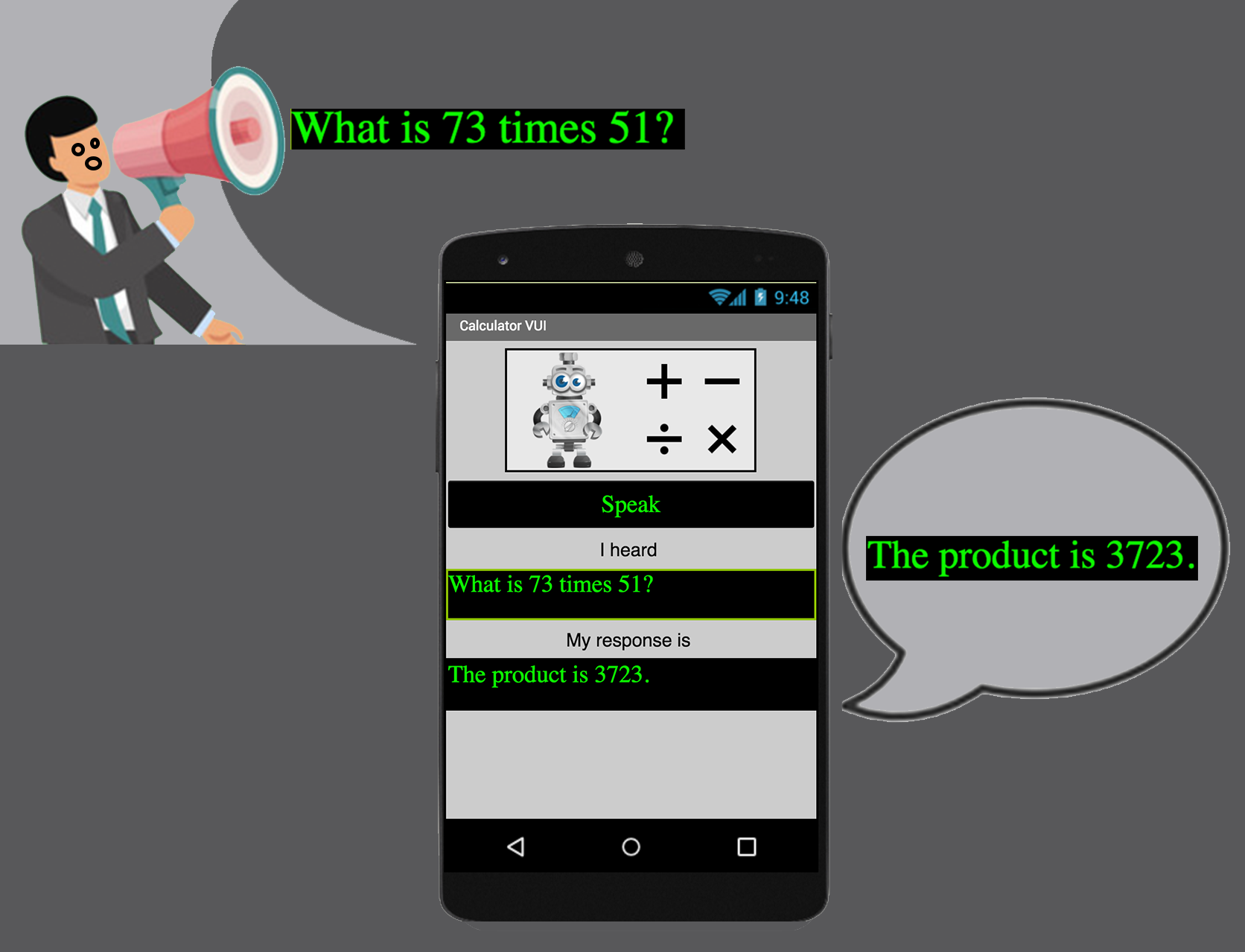
Introduces students to the exciting world of AI-powered mobile apps in a fun, beginner-friendly way. Campers design and build their own apps using MIT App Inventor’s visual, drag-and-drop interface, then add machine learning features such as image recognition, text classification, or sound-based AI. Students learn how apps can use AI to make decisions, recognize patterns, and respond intelligently to user input—without needing prior coding experience.
Campers will:
Design and build mobile apps using MIT App Inventor
Learn what machine learning is and how it works through examples
Add AI features like image, text, or sound recognition
Train simple ML models and connect them to apps
Use blocks-based coding to control app behavior
Test, improve, and showcase their own AI-powered apps
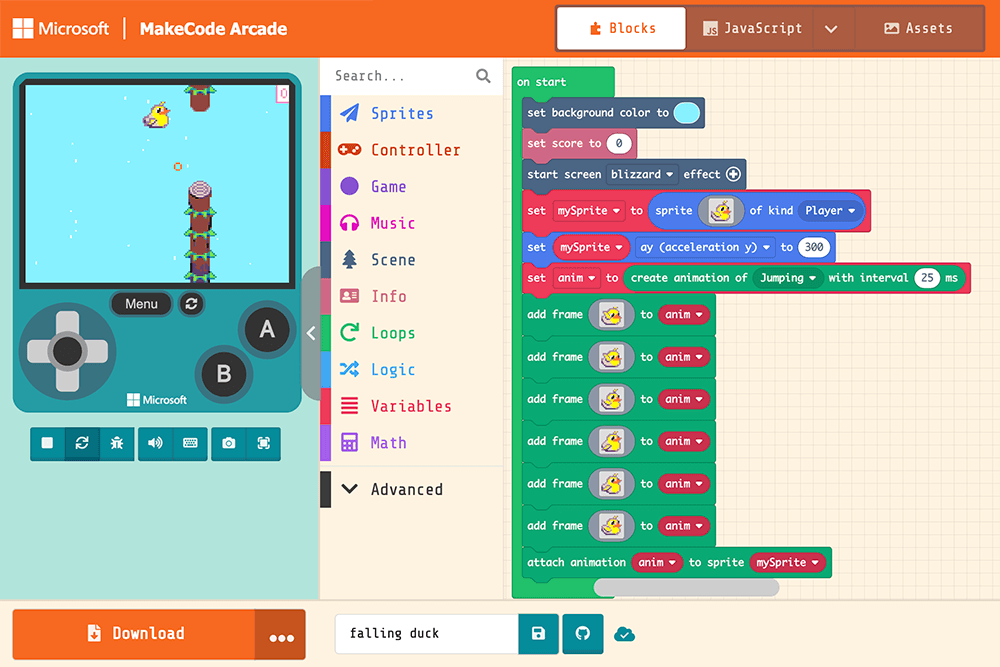
Introduces students to the fundamentals of coding in a fun, visual, and beginner-friendly way. Using Microsoft MakeCode’s drag-and-drop blocks, campers learn how programs work by snapping together colorful blocks to control actions, logic, and events—without worrying about typing or syntax errors.
Campers will:
Learn core coding concepts such as sequencing, loops, conditionals, and events
Build interactive programs using drag-and-drop block coding
Create simple games, animations, or device-based projects (depending on platform)
Understand how code controls behavior and outcomes
